




Add as Preferred Source on Google
There has long been a small inconsistency in Google's navigation ecosystem that Android Auto users have pointed out. While Google Maps has displayed a GPS-based speedometer alongside posted speed limits on smartphones for years, the same feature was missing when navigation was projected onto a car's infotainment display. The omission stood out even more because Waze, which is also owned by Google, has offered the function on Android Auto for years, and Google Maps itself introduced it on Apple CarPlay well before bringing it to its own automotive platform.
That is beginning to change. Google has started rolling out a digital speedometer for Google Maps on Android Auto, although the feature is currently available only to a limited number of users, primarily those enrolled in the app's beta program. The gradual rollout suggests that one of the platform's longest-requested additions is finally making its way to the broader user base.
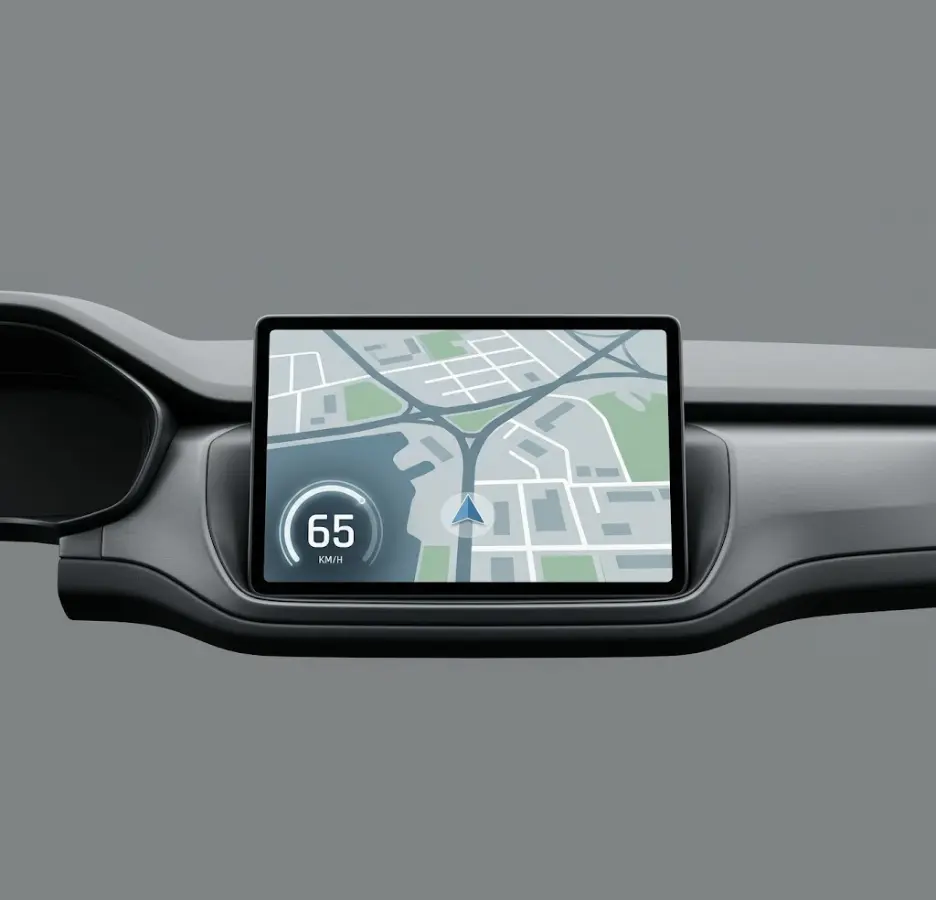
The speedometer appears directly within the navigation interface, in the lower corner of the map alongside other trip information. It displays the vehicle's GPS-estimated speed while continuing to show the posted speed limit for the road being traveled. If the vehicle exceeds that limit, the indicator changes color to provide a clear visual cue.
As is often the case with Google's software updates, availability depends not only on the version of the app installed but also on a server-side rollout that is being expanded in stages. As a result, two users running the same version of Google Maps may not receive the feature at the same time. Early reports have come from beta users in countries including Canada and India.
The addition does not introduce an entirely new capability to Google Maps so much as it brings Android Auto into line with the rest of Google's navigation ecosystem. Its absence had become increasingly difficult to explain. Smartphone users had long been able to see their current speed within the app, while drivers relying on Android Auto either had to use their vehicle's instrument cluster or switch to Waze for the same information.
The digital readout is intended as a supplementary reference rather than a replacement for the car's own speedometer. Google Maps calculates speed using GPS data, which is generally accurate but can be affected by signal quality in places such as tunnels or dense urban areas. A vehicle's instrument cluster, by contrast, is designed under regulatory standards that prevent it from displaying a speed lower than the vehicle's actual speed, meaning it will often read slightly higher. Small differences between the two measurements are therefore to be expected.
In practical terms, the update is less about adding a new driving tool than about creating a more consistent experience across devices. Drivers who move between smartphone navigation and their vehicle's display will now see the same core information without changing applications or losing a feature that has become commonplace elsewhere.
The rollout also fits into Google's broader effort to expand Android Auto and its automotive software platform. In recent months the company has introduced interface refinements and continued to develop features that make deeper use of vehicle systems. Some of those capabilities are expected to debut on selected models, including the Polestar 4, before becoming more widely available across the Android Automotive ecosystem.
The arrival of the speedometer is therefore not a transformative update. It is, however, the resolution of a long-standing gap in Google Maps, bringing Android Auto closer to feature parity with the company's other navigation platforms.