




In brief, if you’re short on time:
• Google has announced Googlebooks, a new laptop category launching in fall 2026
• The devices are positioned as a successor to Chromebooks, with a stronger focus on performance and AI
• The operating system is based on a fusion of Android and ChromeOS, with no official name yet
• The “Aluminium OS” label has appeared in leaks, but Google confirms it is only a codename
• Googlebooks are deeply integrated with Gemini, Google’s AI system
• A new feature called Magic Pointer brings AI-powered suggestions directly into the cursor
• The laptops run Android apps, access phone files directly, and integrate tightly with Android smartphones
• Hardware partners include Acer, Asus, Dell, HP, and Lenovo
• No pricing, chip details, or final designs have been announced
• Chromebooks will continue to be supported, but Googlebooks signal a long-term platform shift
Add as Preferred Source on Google
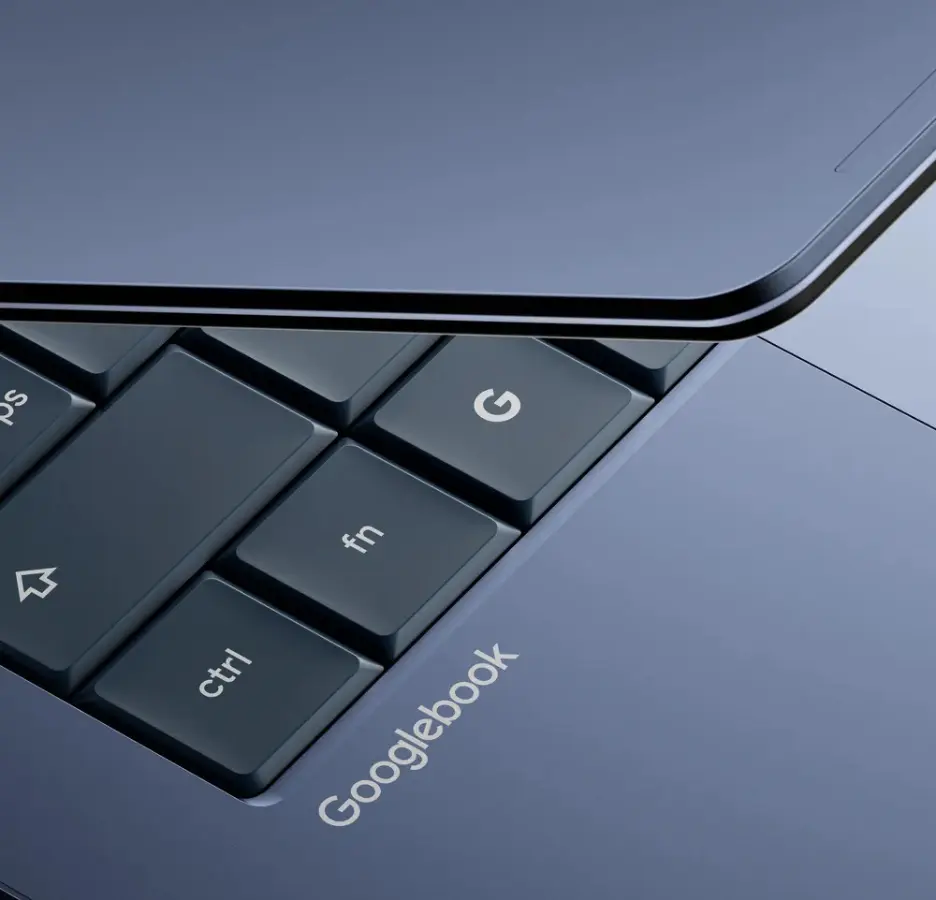
Google has unveiled Googlebooks, a new line of laptops set to arrive in fall 2026, marking one of its most significant moves in the personal computing space in years.
Announced during Google’s Android presentation, the project was shown only in brief form. Even so, it signals a shift away from the traditional Chromebook model toward a more AI-centric platform built around Gemini.
For now, Google has revealed no pricing, specifications, or final hardware designs. What is clear is the intent: this is not an incremental update, but the foundation of a new computing category.
A platform built from Android and ChromeOS
Google describes Googlebooks as laptops designed from the ground up for Gemini intelligence.
The system is based on Android technology while incorporating elements of ChromeOS, combining web-first computing with full access to Android apps via Google Play.
There is no official name for the operating system yet. Leaks have referred to it as “Aluminium OS,” but Google confirms this is only an internal codename.
While technical details remain limited, the direction is clear: tighter integration between laptop and smartphone, and a system where AI plays a central role in everyday computing.
Chrome remains the core browsing experience, while Android apps extend functionality beyond the web.
Magic Pointer brings AI into the cursor
One of the standout features is Magic Pointer.
It turns the traditional cursor into an AI-powered interface driven by Gemini. By moving the pointer over on-screen elements, the system can suggest context-aware actions.
For example, hovering over a date in an email could trigger a calendar event suggestion. Selecting images could prompt comparisons or combined visual layouts.
Rather than acting as a separate assistant, Gemini is embedded directly into interaction itself, effectively redefining one of computing’s most basic tools: the cursor.
AI-generated widgets and dynamic dashboards
Googlebooks will also support custom widgets created through natural language prompts.
Users can ask Gemini to generate dashboards that pull data from services such as Gmail and Google Calendar.
These dashboards can automatically organize travel plans, reservations, reminders, and countdowns into a unified desktop view.
The result is a more dynamic system that adapts to context rather than remaining static.
A closer link between laptop and smartphone
A core part of the Googlebook experience is deep integration with Android smartphones.
Users will be able to run Android apps on their laptops, including apps already installed on their phones, with seamless continuity across devices.
File access is also integrated, allowing users to browse and use phone files directly from the laptop without manual transfers.
The goal is a more continuous workflow across devices, reducing friction when switching between phone and laptop.
A move toward premium hardware
Unlike Chromebooks, which are often positioned as budget devices, Googlebooks target a premium segment.
Google is working with Acer, Asus, Dell, HP, and Lenovo on the first models, which are expected in multiple form factors and built with higher-end materials.
A signature design element is a glowing light bar in Google’s colors, intended as a visual identifier for the product line.
However, key details such as processors, pricing, and full designs have not been revealed.
What happens to Chromebooks
Existing Chromebooks will continue to receive updates through their planned support cycles, including up to 10 years of security updates for newer devices.
Google also confirms that new Chromebooks will continue to be released after Googlebooks launch.
Some Chromebook models may eventually transition to the new platform, although details remain unclear.
An unfinished picture of the future
Despite the announcement, many core questions remain open.
Google has not confirmed pricing, chipsets, or first-party hardware plans. Even the final branding of the operating system is still unknown.
What has been shown is primarily conceptual: a vision of computing where AI is embedded at every layer, from cursor interactions to full desktop workflows.
If fully realized, Googlebooks would represent a shift from traditional operating systems toward continuously AI-assisted computing environments.
For now, the project remains closer to a blueprint than a finished product.